Water as the primary delivery route
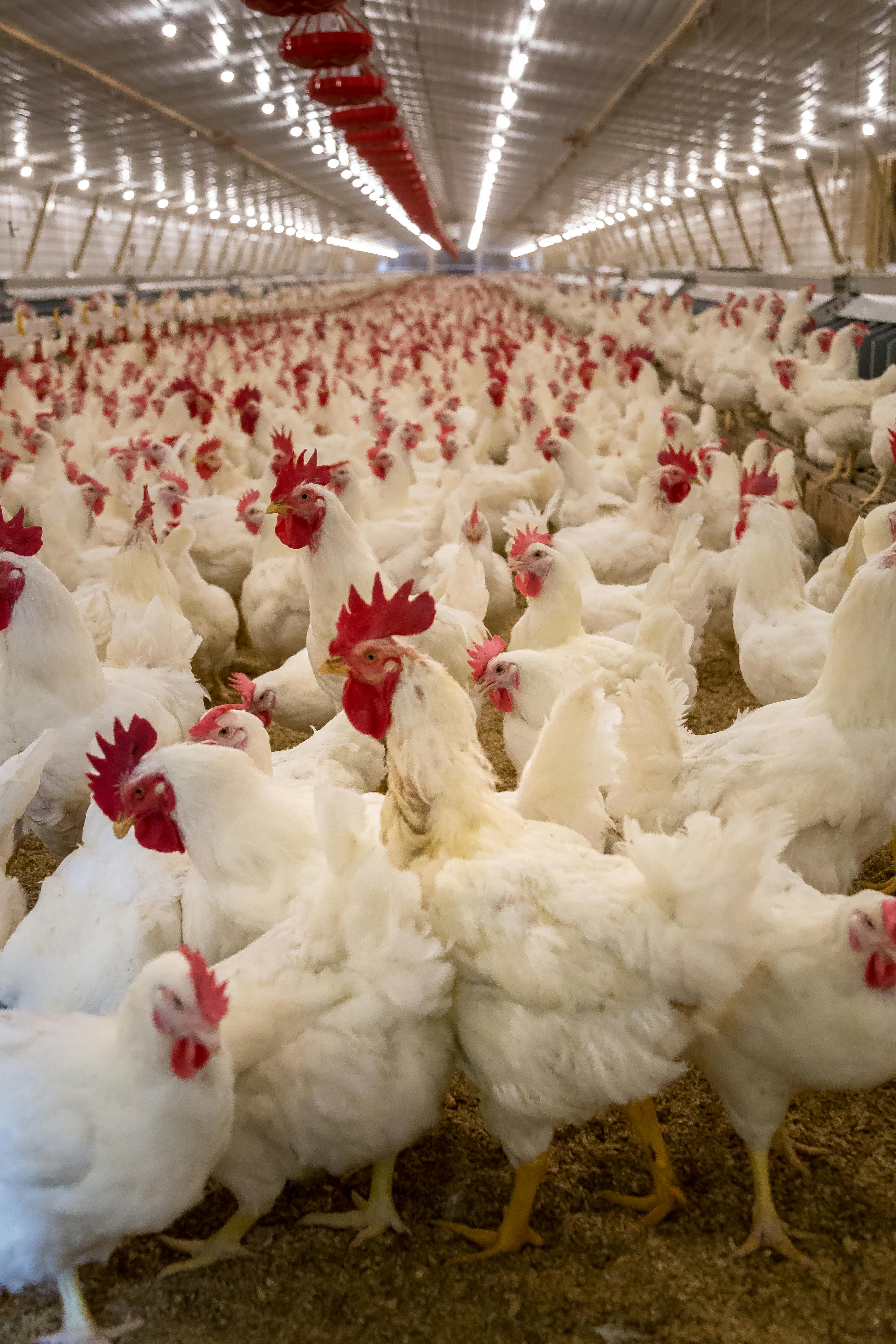
Poultry consume water continuously throughout the day, driven by thirst, thermoregulation, and feeding behaviour. For broilers at peak body temperature — particularly during summer — water intake can be three to four times feed intake by volume. This makes the drinking water system the single highest-frequency contact point between the bird and anything you choose to deliver to it.
Medications are already commonly administered via water in poultry production. The same principle applies to nutritional supplements: vitamins, electrolytes, organic acids, and probiotics can all be delivered via water-soluble formulations, reaching every bird in the house multiple times per day with no requirement for the bird to be eating actively. During periods of heat stress, illness, or transition — when feed intake drops but water consumption continues — the water line becomes the only reliable delivery route available.
What can be delivered effectively through water
Not every additive is suitable for water delivery — stability in solution, interactions with pipe materials, and pH compatibility all affect what works. The categories with the strongest evidence base for water administration in poultry are:
- Electrolytes and osmoregulatory supplements — sodium, potassium, and chloride added to drinking water during heat stress or illness maintain physiological fluid balance and sustain feed intake and growth in conditions where both are otherwise suppressed.
- Organic acids — particularly formic, citric, and acetic acids — lower the pH of drinking water, reducing the bacterial load in the water and in the upper gastrointestinal tract. Acidified water programmes consistently reduce Salmonella and E. coli colonisation of the gut in multiple independent trials.
- Vitamins — vitamins C, E, and the B complex are water-soluble and can be delivered effectively in solution. Vitamin C supplementation via water during heat stress periods has been shown to reduce corticosteroid levels and maintain immune function in broilers and layers.
- Probiotics and prebiotics — live bacterial cultures (principally Lactobacillus and Bacillus strains) formulated for water stability can be delivered via the drinking line, reaching the gut earlier and more reliably than feed-incorporated versions during the critical first days of life.
"During heat stress, feed intake drops by 10–20%. Water intake continues. The water line is the only delivery route that still works when the birds are not eating."
Biofilm: the hidden problem in drinker lines
The interior surface of nipple drinker lines is rarely inspected, and this neglect has real consequences. Within days of installation, a complex layer of bacteria, organic material, and mineral deposits — collectively called biofilm — begins to form on pipe walls. Established biofilm is highly resistant to standard disinfectants and provides a persistent reservoir of Pseudomonas, E. coli, and other opportunistic pathogens.
Every litre of water that passes through a contaminated line picks up bacterial counts that can substantially exceed the counts in the source water. Water that tests clean at the header tank can be heavily contaminated by the time it reaches the far end of a long drinker line. Regular line cleaning with appropriate agents — hydrogen peroxide-based products or chlorine dioxide at adequate concentrations — is the foundation of any water management programme.
Organic acids added continuously at low concentrations maintain a low-pH environment that inhibits biofilm formation and significantly reduces the bacterial load reaching the birds. This is one of the most practical and cost-effective applications of water acidification.
Water quality parameters that matter
Before designing a water additive programme, knowing baseline water quality is essential. The parameters with the most direct impact on poultry performance are:
- Total dissolved solids (TDS) — high TDS, particularly from sulphates and sodium, causes loose droppings, wet litter, and footpad problems. Water with TDS above 1000 mg/L consistently depresses performance in broilers.
- pH — mains water in most of Central and Eastern Europe is neutral to slightly alkaline (pH 7–8). Acidification to pH 4–5 reduces pathogen load and can improve mineral availability.
- Hardness (calcium and magnesium) — very hard water interacts with some acidifiers and can reduce the efficacy of certain disinfectant products. It also contributes to scale in drinker systems, increasing maintenance frequency.
- Bacterial contamination — E. coli counts above zero at point of delivery indicate either source contamination or biofilm activity in the line. Both require investigation.
A simple tiered approach to water management
Water management in poultry does not need to be complex to be effective. A practical tiered approach:
- Baseline: test source water annually for TDS, hardness, pH, and E. coli. Flush and clean all drinker lines between every flock using an approved line cleaner at correct concentration and contact time.
- Continuous programme: add an organic acid blend at low dose throughout the grow-out to maintain water pH between 4 and 5 and inhibit biofilm formation.
- Targeted interventions: use electrolyte and vitamin C supplementation during summer heat events and in the first 48–72 hours of chick placement to support early gut colonisation and fluid balance.
Water management is not glamorous, and it rarely features prominently in feed sales conversations. But in a production system where birds drink twice their feed volume and where the drinker line reaches every bird in the house multiple times per day, the water system is too important an input to leave unmanaged. The farms that treat it with the same rigour they apply to feed formulation consistently see better performance — and fewer unexplained problems.