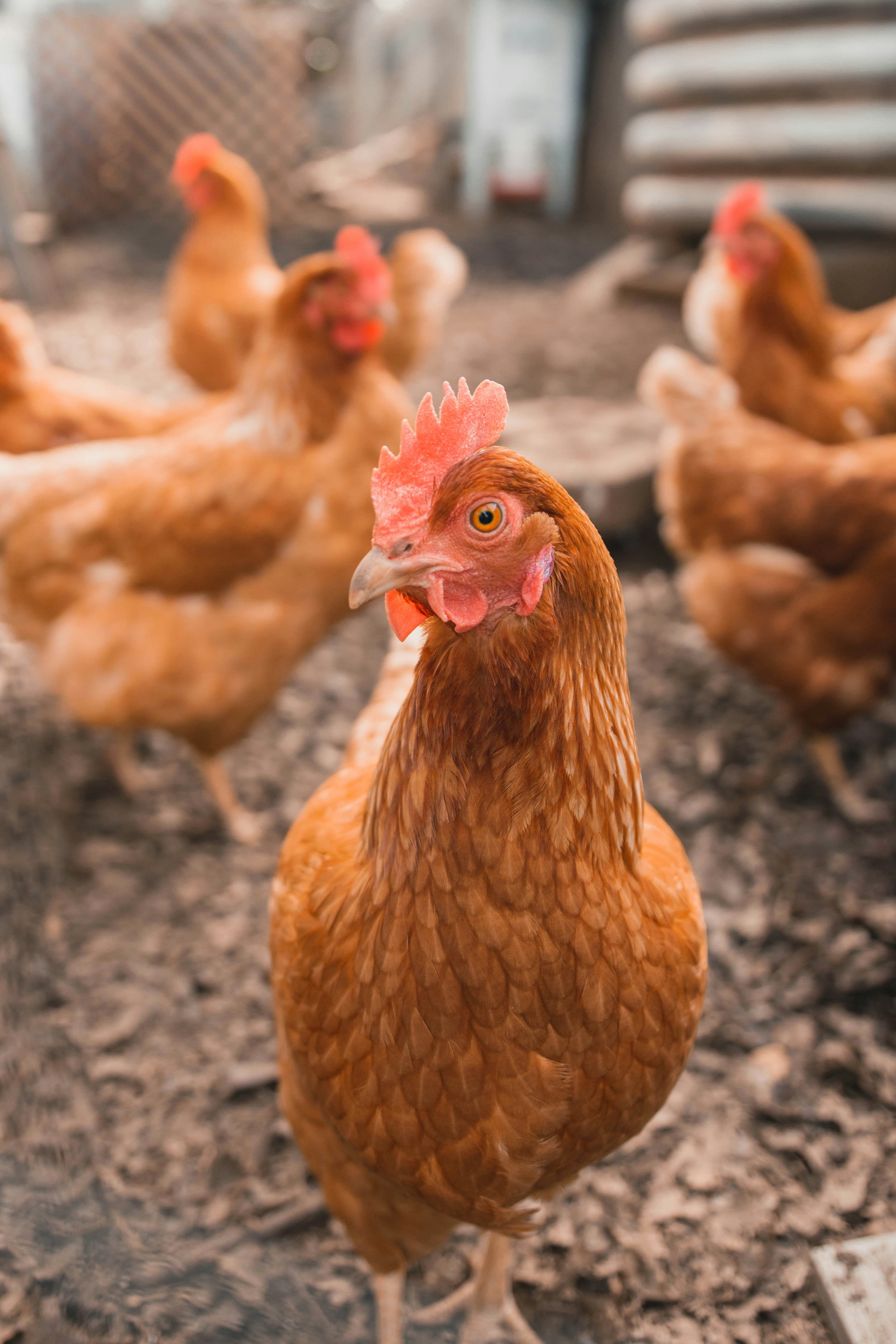
Poultry flock
Poultry Perad

5 signs your flock needs a better feed additive programme. 5 znakova da vaše jato treba bolji program dodataka hrani.

6 min read6 min čitanja March 2025 PoultryPerad
Back to Field NotesPovratak na članke

Poultry producers often notice performance declining gradually before a clear disease diagnosis arrives. By the time mortality spikes or weight gain falls measurably below target, the underlying problem has usually been developing for weeks. Knowing what to look for earlier makes the difference.

1 Poor or uneven feathering

Feather quality is one of the most visible indicators of nutritional status in a flock. Sparse, brittle, or patchy feathering — especially around the back and tail — often signals a deficiency in sulphur-containing amino acids, particularly methionine and cysteine. These amino acids are the primary building blocks of keratin, the structural protein in feathers.

In broiler production, feathering issues are frequently overlooked because the birds are slaughtered before the problem becomes economically obvious. In layer and breeder flocks, however, poor feather cover means worse thermoregulation, higher energy expenditure to maintain body temperature, and reduced egg production during colder months. If you see uneven feather development across a batch, do not assume it is purely a breed or management issue without reviewing the amino acid profile of the ration.

2 Inconsistent weight gain across the flock

A high degree of variation in bodyweight within a single batch — high coefficient of variation (CV) at weighing time — is a reliable signal that something in the nutrition or gut health programme is not working uniformly. Some birds are absorbing nutrients efficiently; others are not.

The most common nutritional causes are poor feed mixing homogeneity (meaning some birds get more of an additive than others), inadequate enzyme supplementation in diets with high levels of non-starch polysaccharides, or subclinical gut inflammation affecting some birds more than others. If your CV exceeds 10–12% at the midpoint of a batch, it is worth investigating the feed additive programme alongside management and stocking density factors.

"By the time mortality spikes, the problem has been building for weeks. The signs are always there earlier — you just need to know where to look."

3 Feed conversion ratio creeping upward

A gradual rise in FCR over successive batches — even a small one — compounds into significant economic losses. An FCR that climbs from 1.70 to 1.80 across a grow-out period represents roughly 6% more feed cost for the same kilogram of output. Over a year of production cycles, that difference is substantial.

Before adjusting the ration itself, consider whether the feed additive programme is still appropriate for current production conditions. Changes in raw material quality (different grain harvest, different protein source) often shift the nutritional matrix enough to make previously effective enzyme and acidifier programmes less effective. Seasonal changes in ambient temperature also affect digestive enzyme activity in birds.

4 Elevated mortality with no clear pathological cause

When post-mortem examinations return inconclusive or show only general enteritis and gut lesions, and when vaccination and biosecurity protocols are current, the gut health programme deserves close attention. Mortality driven by poor gut integrity often has no single pathogen to blame — it is the cumulative effect of a compromised mucosal barrier that allows opportunistic bacteria to cause damage.

Organic acids, butyrate sources, and well-chosen probiotic strains have all demonstrated measurable reductions in mortality rates in challenged flocks, independent of antibiotic interventions.

5 Recurring respiratory or digestive challenges

A flock that repeatedly requires veterinary intervention for respiratory infections or soft, watery droppings — despite normal biosecurity — is telling you something about its immune resilience. Immune function in poultry is tightly coupled to gut health: over 70% of the immune system is associated with the gastrointestinal tract.

When the gut barrier is compromised, immune resources are chronically diverted toward managing internal bacterial translocation rather than mounting effective responses to external challenges. A flock with strong gut integrity handles respiratory challenges better, recovers faster, and requires less medical support. If your birds keep getting sick despite good husbandry, start at the gut.


None of these signs on its own is a definitive diagnosis. But if two or more are present simultaneously, the feed additive programme is almost always worth reviewing before looking for more exotic explanations. Performance problems in poultry are rarely sudden — they are slow-moving, and the early signals are there if you look for them.

Uzgajivači peradi često primijete postupno smanjenje proizvodnosti prije nego što stignu jasna dijagnoza ili klinički znakovi bolesti. Do trenutka kada smrtnost skoči ili prirast padne ispod ciljnih vrijednosti, temeljni problem obično se razvijao tjednima. Znati što ranije tražiti čini razliku.

1 Loše ili neravnomjerno perje

Kvaliteta perja jedan je od najvidljivijih pokazatelja nutritivnog statusa jata. Rijetko, lomljivo ili krpičasto perje — posebno oko leđa i repa — često signalizira nedostatak aminokiselina s poumprerom sumpor, posebno metionina i cisteina. Te su aminokiseline primarni građevni blokovi keratina, strukturnog proteina u perju.

U uzgoju pilića za meso problemi s perjem često se zanemaruju jer se ptice kolju prije nego postane ekonomski vidljivo. U jatima nesilica i rasplodnih kokoši, međutim, loše perje znači slabiju termoregulaciju, veći utrošak energije za održavanje tjelesne temperature i manju nesivost u hladnijim mesecima.

2 Neujednačen prirast unutar jata

Visok stupanj varijacije tjelesne mase unutar jedne serije — visoki koeficijent varijacije pri vaganju — pouzdan je signal da nešto u programu prehrane ili zdravlja crijeva ne funkcionira ravnomjerno. Neke ptice učinkovito apsorbiraju hranjive tvari; druge ne.

Najčešći nutritivni uzroci su loša homogenost miješanja hrane, nedovoljna suplementacija enzimima u obrocima s visokim udjelom nesuprobavljivih polisaharida, ili subklinična upala crijeva koja pogađa neke ptice više od drugih.

„Do trenutka kad smrtnost skoči, problem se gradi tjednima. Znakovi su uvijek ranije prisutni — samo ih treba znati prepoznati."

3 Postupni rast omjera konverzije hrane

Postupni porast FCR-a kroz uzastopne serije — čak i mali — gomila se u značajne ekonomske gubitke. FCR koji naraste s 1,70 na 1,80 znači otprilike 6% više troška hrane za isti kilogram outputa. Kroz godišnje proizvodne cikluse, ta razlika je supstancijalna.

Prije prilagodbe samog obroka, razmotrite je li program dodataka hrani još uvijek prikladan za trenutne uvjete. Promjene u kvaliteti sirovina (različita žetva, drugi izvor proteina) često dovoljno mijenjaju nutritivnu matricu da prethodno učinkoviti programi enzima i zakiseljavača postanu manje učinkoviti.

4 Povećana smrtnost bez jasnog patološkog uzroka

Kada obdukcija ne daje jasne nalaze ili pokazuje samo opći enteritis i lezije crijeva, a protokoli cijepljenja i biosigurnosti su uredni — program zdravlja crijeva zaslužuje blisku pažnju. Smrtnost uzrokovana lošim integritetom crijeva često nema jednog krivca — to je kumulativni učinak kompromitiranog mukoznog barijera koji oportunističkim bakterijama omogućuje nanošenje štete.

5 Ponavljajući respiratorni ili probavni problemi

Jato koje se stalno liječi zbog respiratornih infekcija ili vodenih izmeta — unatoč normalnoj biosigurnosti — govori nešto o svojoj imunološkoj otpornosti. Imunološka funkcija peradi usko je povezana sa zdravljem crijeva: više od 70% imunološkog sustava vezano je uz gastrointestinalni trakt.

Kada je crijevna barijera ugrožena, imunološki resursi kronično se preusmjeravaju prema upravljanju unutarnjom bakterijskom translokacijom umjesto prema učinkovitim odgovorima na vanjske izazove. Jato s jakim integritetom crijeva bolje se nosi s respiratornim izazovima, brže se oporavlja i zahtijeva manje medicinskih intervencija.


Nijedan od ovih znakova sam za sebe nije definitivan. No ako su dva ili više prisutni istovremeno, program dodataka hrani gotovo uvijek vrijedi pregledati prije traženja egzotičnijih objašnjenja. Problemi s proizvodnjom peradi rijetko su iznenadni — spori su, i rani znakovi su tu ako ih tražite.

Want to review your current poultry nutrition programme? We can help identify gaps and recommend targeted solutions.

Želite pregledati trenutni program prehrane vaše peradi? Možemo pomoći identificirati nedostatke i preporučiti ciljana rješenja.

Get in Touch Kontaktirajte nas