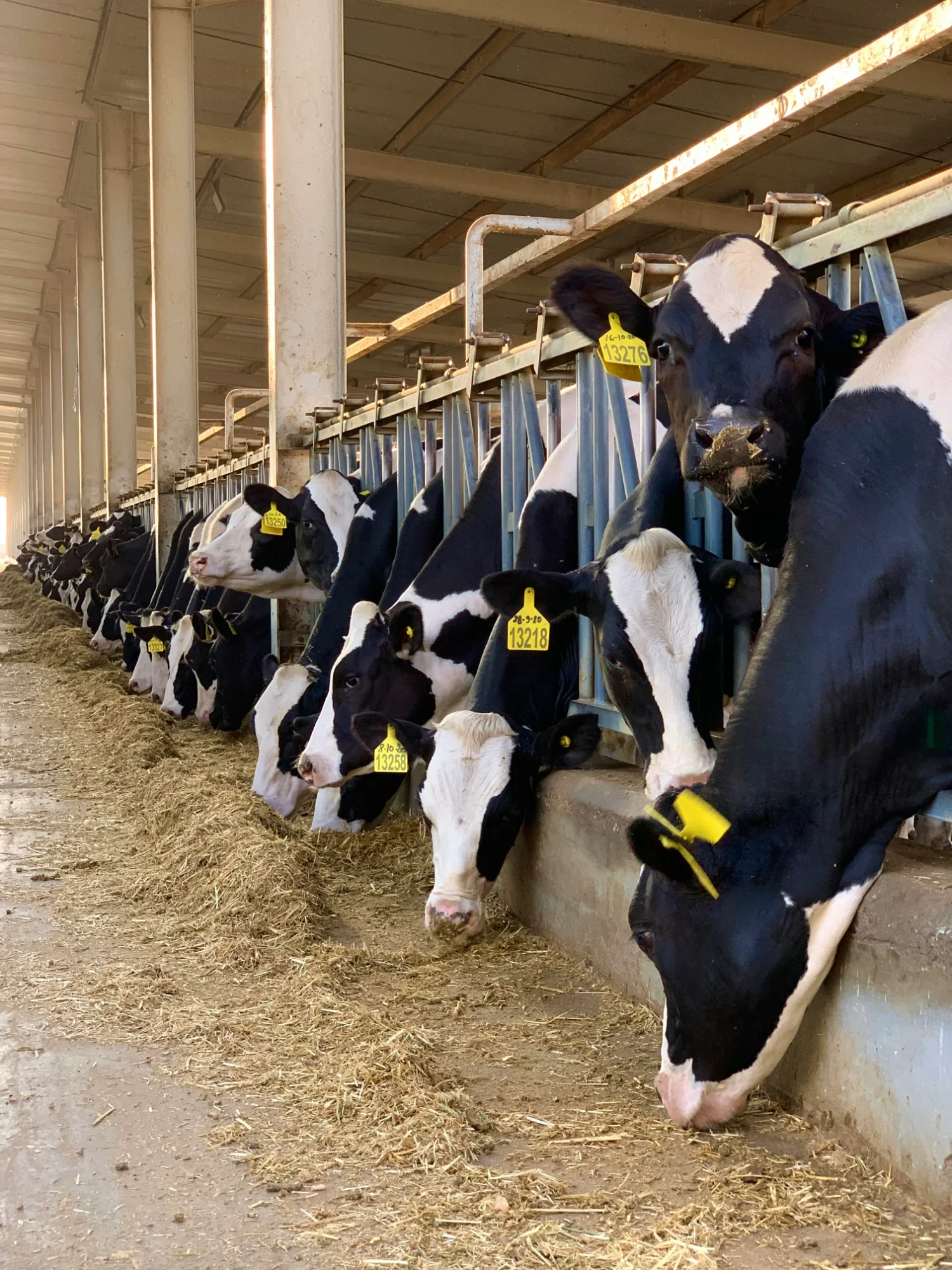
Dairy cows
Livestock Stoka

Calcium soaps in ruminant nutrition: what they are and why they work. Kalcijevi sapuni u prehrani preživača: što su i zašto djeluju.

7 min read7 min čitanja February 2025 LivestockStoka
Back to Field NotesPovratak na članke

High-producing dairy cows in early lactation have a problem that no single feed ingredient fully solves: they need more energy than they can physically eat. The resulting negative energy balance — where the cow burns body fat faster than the ration can replace it — is one of the most consequential nutritional challenges in dairy farming. Calcium soaps of fatty acids are one of the most effective and well-studied tools available to address it.

The energy gap in early lactation

In the three to eight weeks following calving, a high-yielding dairy cow's demand for net energy escalates dramatically as milk production peaks. At the same time, dry matter intake is still recovering from the suppression that occurs around calving — caused by hormonal changes, rumen adaptation, and the physical pressure of the gravid uterus in late gestation. The cow is producing at peak capacity while eating below her needs.

To bridge this gap, the cow mobilises body fat reserves, releasing non-esterified fatty acids (NEFAs) into the bloodstream. Moderate fat mobilisation is normal and expected. Excessive mobilisation — driven by too wide an energy gap — leads to elevated ketone bodies, fatty liver infiltration, and the cascade of metabolic and reproductive problems associated with severe negative energy balance: ketosis, displaced abomasum, impaired ovarian activity, and reduced conception rates.

The goal of fat supplementation in early lactation is straightforward: increase the energy density of the ration without increasing its volume, allowing the cow to consume more net energy per kilogram of dry matter intake.

Why ordinary fats cannot simply be added to a ruminant ration

Fats are the most energy-dense macronutrient — roughly 2.25 times the energy density of carbohydrates on a dry matter basis. Adding fat to ruminant rations sounds simple. In practice, it is not.

Unsupplemented, unprotected fats in a ruminant ration interfere with rumen fermentation in two ways. First, free fatty acids coat fibre particles and microbial surfaces, physically blocking the cellulolytic bacteria from accessing and fermenting the structural carbohydrates that form the basis of the ruminant's energy supply. Second, in larger quantities, dietary fats suppress the populations of fibre-digesting microbes directly. The net result is reduced fibre digestibility and a lower energy output from the rumen — partially or wholly defeating the purpose of adding fat in the first place.

This is the problem that bypass fats — or rumen-protected fats — are designed to solve.

"Adding unprotected fat to a ruminant ration can reduce fibre digestibility enough to cancel out the energy benefit entirely. Protection is not optional — it is the mechanism."

How calcium soaps work

Calcium soaps of long-chain fatty acids — produced by reacting fatty acids (most commonly from palm oil) with calcium oxide under controlled conditions — exploit a specific quirk of ruminant physiology: the pH difference between the rumen and the small intestine.

In the rumen, where pH typically sits between 6.0 and 6.8, the calcium-fatty acid salt is chemically stable and largely insoluble. The calcium and fatty acid remain bound, and the fat passes through the rumen without being released as free fatty acid and without interfering with fibre fermentation. When the digesta enters the abomasum and small intestine, where pH drops to 2.5–3.5, the bond dissociates. The fatty acids are released, become available for intestinal absorption, and contribute their full energy value to the animal.

This pH-dependent release is what defines calcium soaps as a true rumen-bypass fat product, as distinct from hydrogenated or prilled fats that rely on physical melting point protection.

What the research shows on performance

The evidence base for calcium soaps in dairy cow nutrition is substantial. Across multiple European and North American trials, supplementation with calcium soaps at 300–500 grams per cow per day in early lactation has consistently demonstrated:

  • Reduced severity of negative energy balance in the first 6–8 weeks post-calving
  • Improved body condition score retention or faster recovery from BCS loss
  • Increased energy-corrected milk yield, particularly in fat and protein output
  • Shorter interval to first ovulation and improved conception rates at first service
  • Lower incidence of metabolic disorders in herds already managing close-up and fresh cow programmes carefully

The reproductive benefits deserve emphasis. Energy balance in the first three to four weeks post-calving is one of the strongest predictors of reproductive performance in the following breeding season. Cows that navigate the transition period with less severe body fat mobilisation resume ovarian cyclicity earlier and respond better to synchronisation and AI protocols.

Practical feeding guidelines

Calcium soaps are typically fed at 300–500 g/head/day in fresh and early-lactation diets. At higher inclusion rates — above 600–700 g/day — palatability can become an issue, as the soapy taste and texture reduces voluntary intake in some animals. Mixing thoroughly into the total mixed ration minimises this effect.

They should not replace all dietary fat sources in a ration; a total fat inclusion of 5–6% of dietary dry matter is the practical ceiling for maintaining rumen fermentation. Calcium soaps work best as part of a coherent transition cow programme that also addresses calcium, magnesium, and energy management in the close-up dry period.


Calcium soaps are not a new technology — they have been in use in commercial dairy nutrition since the 1980s. What has changed is our understanding of exactly why they work, which has allowed nutritionists to use them with more precision and to set more realistic expectations for what they can and cannot achieve. Used correctly, they remain one of the most valuable tools available for managing the transition period in high-producing dairy herds.

Visokomlječne krave u ranoj laktaciji imaju problem koji ni jedna namirnica sama po sebi ne može u potpunosti riješiti: trebaju više energije nego što fizički mogu pojesti. Rezultirajući negativni energetski bilans — gdje krava sagorijeva tjelesne masti brže nego što obrok može nadomjestiti — jedan je od najvažnijih prehrambenih izazova u mliječnom govedarstvu. Kalcijevi sapuni masnih kiselina jedan su od najučinkovitijih i najproučenijih alata dostupnih za njegovo rješavanje.

Energetski jaz u ranoj laktaciji

U tri do osam tjedana nakon teljenja, potražnja visokomlječne krave za neto energijom dramatično raste kako mliječnost dostiže vrhunac. U isto vrijeme, unos suhe tvari još se oporavlja od suzbijanja koje se javlja oko teljenja — uzrokovanog hormonalnim promjenama, adaptacijom buraga i fizičkim pritiskom gravidne maternice u kasnoj graviditetu. Krava proizvodi na maksimalnom kapacitetu dok jede ispod svojih potreba.

Da bi premostila ovaj jaz, krava mobilizira tjelesne masne rezerve, oslobađajući neesterificirane masne kiseline (NEFA) u krvotok. Umjerena mobilizacija masti normalna je i očekivana. Prekomjerna mobilizacija — uzrokovana prevelikim energetskim jazom — dovodi do povišenih ketonskih tijela, infiltracije masnom jetrom i kaskade metaboličkih i reproduktivnih problema: ketoze, dislokacije sirišta, oslabljene ovarijske aktivnosti i smanjene stope koncepcije.

Zašto se obične masti ne mogu jednostavno dodati u obrok preživača

Masti su najenergetskiji makronutrijent — otprilike 2,25 puta veće energetske gustoće od ugljikohidrata. Dodavanje masti u obroke preživača zvuči jednostavno. U praksi, nije.

Nezaštićene masti u obroku preživača ometaju fermentaciju buraga na dva načina. Prvo, slobodne masne kiseline obavijaju čestice vlakana i mikrobne površine, fizički blokirajući celulolitičke bakterije. Drugo, u većim količinama, dijetalne masti izravno potiskuju populacije mikroba koji razgrađuju vlakna. Neto rezultat je smanjena probavljivost vlakana — djelomično ili potpuno poništavajući svrhu dodavanja masti.

To je problem koji zaobilazne masti — ili rumen-zaštićene masti — su dizajnirane riješiti.

„Dodavanje nezaštićenih masti u obrok preživača može toliko smanjiti probavljivost vlakana da u potpunosti poništi energetsku korist. Zaštita nije opcija — to je mehanizam."

Kako kalcijevi sapuni funkcioniraju

Kalcijevi sapuni dugolančanih masnih kiselina — proizvedeni reakcijom masnih kiselina (najčešće iz palminog ulja) s kalcijevim oksidom — iskorištavaju specifičnost fiziologije preživača: razliku pH između buraga i tankog crijeva.

U buragu, gdje pH obično iznosi između 6,0 i 6,8, kalcijevo-masna kiselinska sol je kemijski stabilna i uglavnom netopljiva. Kalcij i masna kiselina ostaju vezani, a mast prolazi kroz burag bez ometanja fermentacije vlakana. Kada probavni sadržaj uđe u sirište i tanko crijevo, gdje pH pada na 2,5–3,5, veza se disocira, masne kiseline se oslobađaju i postaju dostupne za intestinalnu apsorpciju.

Što istraživanja pokazuju o proizvodnosti

Dokazna osnova za kalcijeve sapune u prehrani mliječnih krava je značajna. U višestrukim europskim i sjevernoameričkim ispitivanjima, suplementacija kalcijevim sapunima od 300–500 grama po kravi na dan u ranoj laktaciji dosljedno je pokazala:

  • Smanjenu težinu negativnog energetskog bilansa u prvih 6–8 tjedana po teljenju
  • Poboljšano zadržavanje tjelesne kondicije ili brži oporavak od gubitka BCS-a
  • Povećani prinos mlijeka korigiranog za energiju, posebno u prinosu masti i proteina
  • Kraći interval do prve ovulacije i poboljšane stope koncepcije
  • Nižu učestalost metaboličkih poremećaja

Praktične smjernice za hranjenje

Kalcijevi sapuni tipično se hrane u količini od 300–500 g/grlo/dan u svježim obrocima i obrocima rane laktacije. Pri višim razinama uključivanja — iznad 600–700 g/dan — prihvatljivost može postati problem, jer sapunasti okus i tekstura smanjuju voljni unos kod nekih životinja. Temeljito miješanje u totalni miješani obrok minimizira ovaj učinak.

Kalcijevi sapuni funkcioniraju najbolje kao dio koherentnog programa tranzicijskih krava koji također adresira kalcij, magnezij i upravljanje energijom u suhostajnom periodu pred teljenje.


Kalcijevi sapuni nisu nova tehnologija — u komercijalnoj prehrani mliječnih krava u upotrebi su od 1980-ih. Ono što se promijenilo je naše razumijevanje zašto točno funkcioniraju, što je omogućilo nutricionistima da ih koriste s više preciznosti. Ispravno korišteni, ostaju jedan od najvrjednijih alata dostupnih za upravljanje tranzicijskim periodom u visokomlječnim stadima.

Looking for high-quality calcium soap products for your dairy operation? Talk to us about our technical fat range.

Tražite visokokvalitetne kalcijeve sapune za vaše mliječno gospodarstvo? Razgovarajte s nama o našem asortimanu tehničkih masti.

View Technical Fats Pogledajte tehničke masti