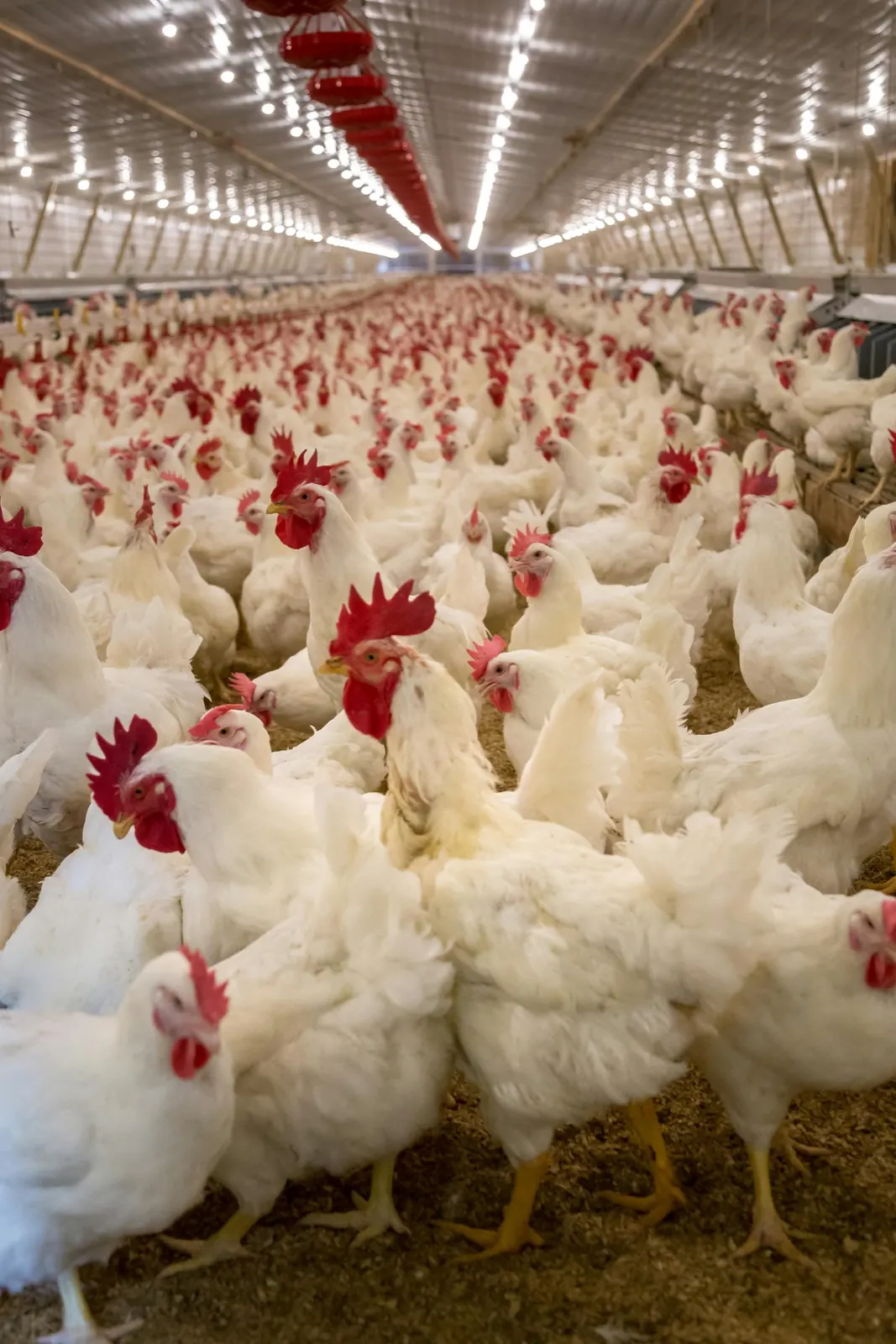
What the gut microbiome actually is
The gastrointestinal tract of a healthy farm animal hosts trillions of microorganisms — bacteria, protozoa, fungi, and archaea — collectively known as the gut microbiome. In ruminants like cattle and sheep, this community is especially complex. The rumen alone can contain up to ten billion bacteria per millilitre of content.
These microbes are not passengers. They break down fibrous plant material the animal cannot digest on its own, synthesise B vitamins and vitamin K, produce short-chain fatty acids that supply up to 70% of a ruminant's total energy, and directly train the immune system to distinguish genuine threats from harmless antigens. Remove them and the animal cannot survive. Disrupt them and performance falls.
The link between gut health and feed conversion
Feed conversion ratio — the amount of feed required to produce one kilogram of bodyweight gain or one litre of milk — is the number producers watch most closely. A healthy, diverse gut microbiome consistently improves it. Here is why.
When the gut lining is intact and microbial diversity is high, nutrients are absorbed efficiently across the intestinal epithelium. When the microbiome is disrupted — a condition called dysbiosis — inflammation develops in the gut wall. That inflammation diverts energy away from growth and toward immune defence. Research in broiler production has shown that reducing intestinal inflammation through microbial support alone can improve FCR by 5–12%, without changing anything in the feed formulation itself.
In dairy cattle, the connection runs further. Subacute ruminal acidosis, one of the most costly production diseases in high-yielding cows, originates from a collapse of microbial balance in the rumen. The resulting endotoxin release triggers systemic inflammation, reduces dry matter intake, and cuts milk solids. It is fundamentally a microbiome problem.
"A leaky gut allows bacterial toxins to enter the bloodstream. The immune system responds — and the animal pays for that response in growth, milk, and reproduction."
What disrupts the microbiome
Three factors consistently damage gut microbial balance in farm animals:
- Antibiotic use — even at low doses — eliminates beneficial bacteria alongside pathogens. This is one of the key reasons the EU banned antibiotic growth promoters in 2006, which accelerated research into microbiome-based alternatives.
- Stress — transport, weaning, dietary transitions, and heat stress all trigger cortisol release, which directly alters gut motility and increases gut permeability. A permeable gut wall allows bacterial endotoxins into the bloodstream, triggering whole-body inflammation.
- Poor feed quality — mycotoxin contamination, rancid fats, or abrupt ration changes irritate the gut lining and selectively disadvantage beneficial microbial species.
Practical ways to support a healthy gut
Supporting the microbiome is not a single product decision. It requires thinking about the whole system. But there are specific tools with a strong evidence base:
Probiotics introduce live beneficial bacteria — Lactobacillus, Bacillus, Enterococcus species — directly into the gut. They compete with pathogens for attachment sites, produce natural antimicrobial compounds, and help stabilise microbial populations during high-stress periods like weaning or housing transitions.
Prebiotics (fermentable fibres including inulin, fructo-oligosaccharides, and mannan-oligosaccharides) selectively feed beneficial bacteria, helping them outcompete pathogens. This is particularly important in neonates, when the microbiome is still establishing and highly vulnerable to disruption.
Organic acids — formic, propionic, and butyric — lower gut pH, inhibit pathogen growth, and in the case of butyrate, directly fuel the epithelial cells lining the gut wall. A well-fuelled epithelium maintains tight junctions and keeps the barrier intact.
Phytogenics — plant-derived compounds including oregano oil, thymol, and tannins — have demonstrated both antimicrobial and anti-inflammatory properties in peer-reviewed trials, without the resistance concerns associated with antibiotics.
The gut microbiome is not a trend in animal nutrition. It is the biological foundation that every other feeding decision sits on top of. Understanding it shifts the question from "which additive should I add?" to "is the environment inside this animal optimised for anything to work?" That is a fundamentally better question — and it leads to fundamentally better outcomes.